Loading…
Loading…
Choose by task

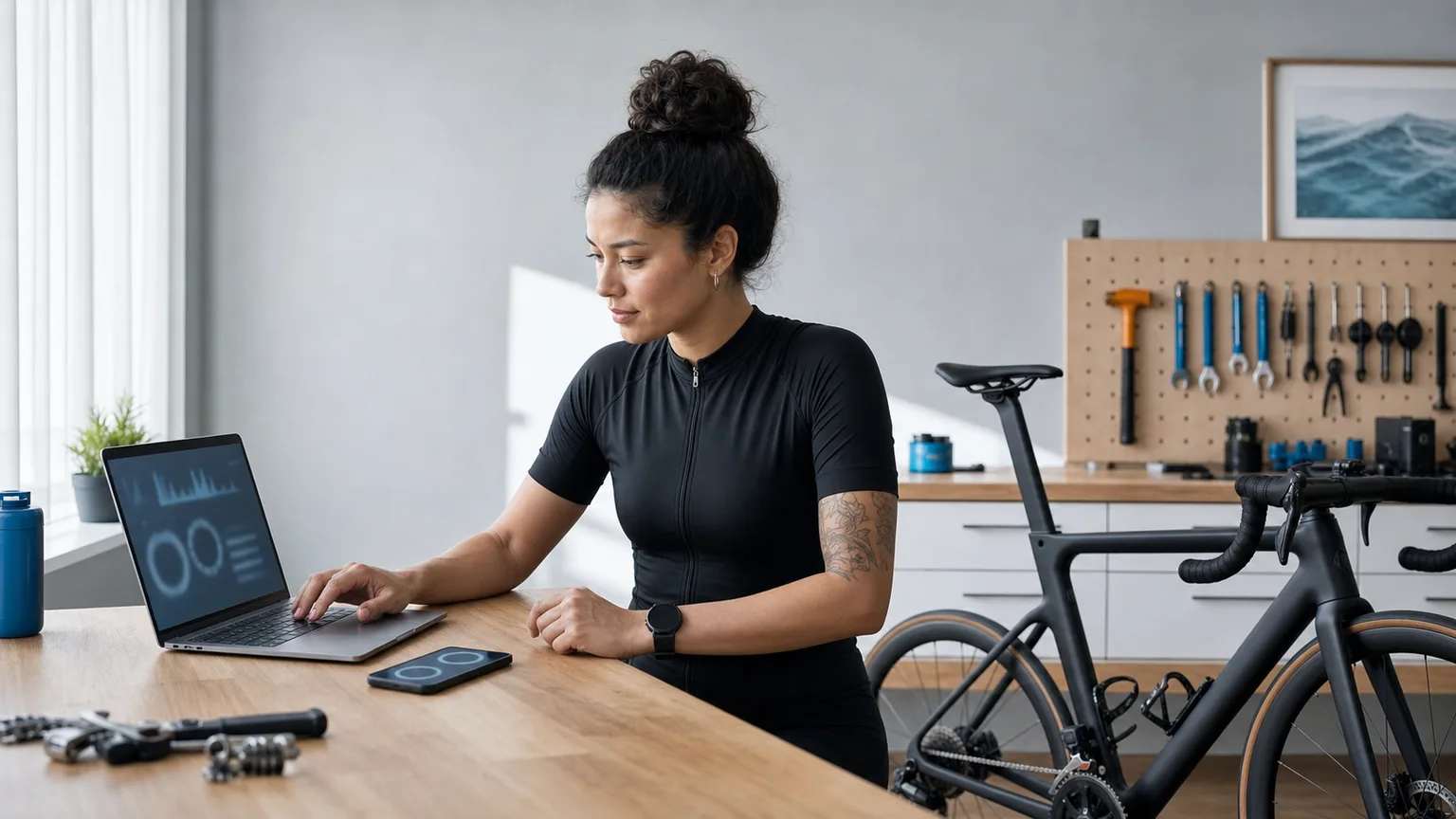
Start with the question you can answer today. Measure your body, compare frames or cockpit parts, transfer a measured position, prepare a mechanic work order, close a crank or cleat trial after riding, or use the camera while you pedal. Every tool runs in your browser, shows where its numbers come from and tells you where the result stops.
One connected workflow
Every result has a clear next step.
Build
Baseline ranges
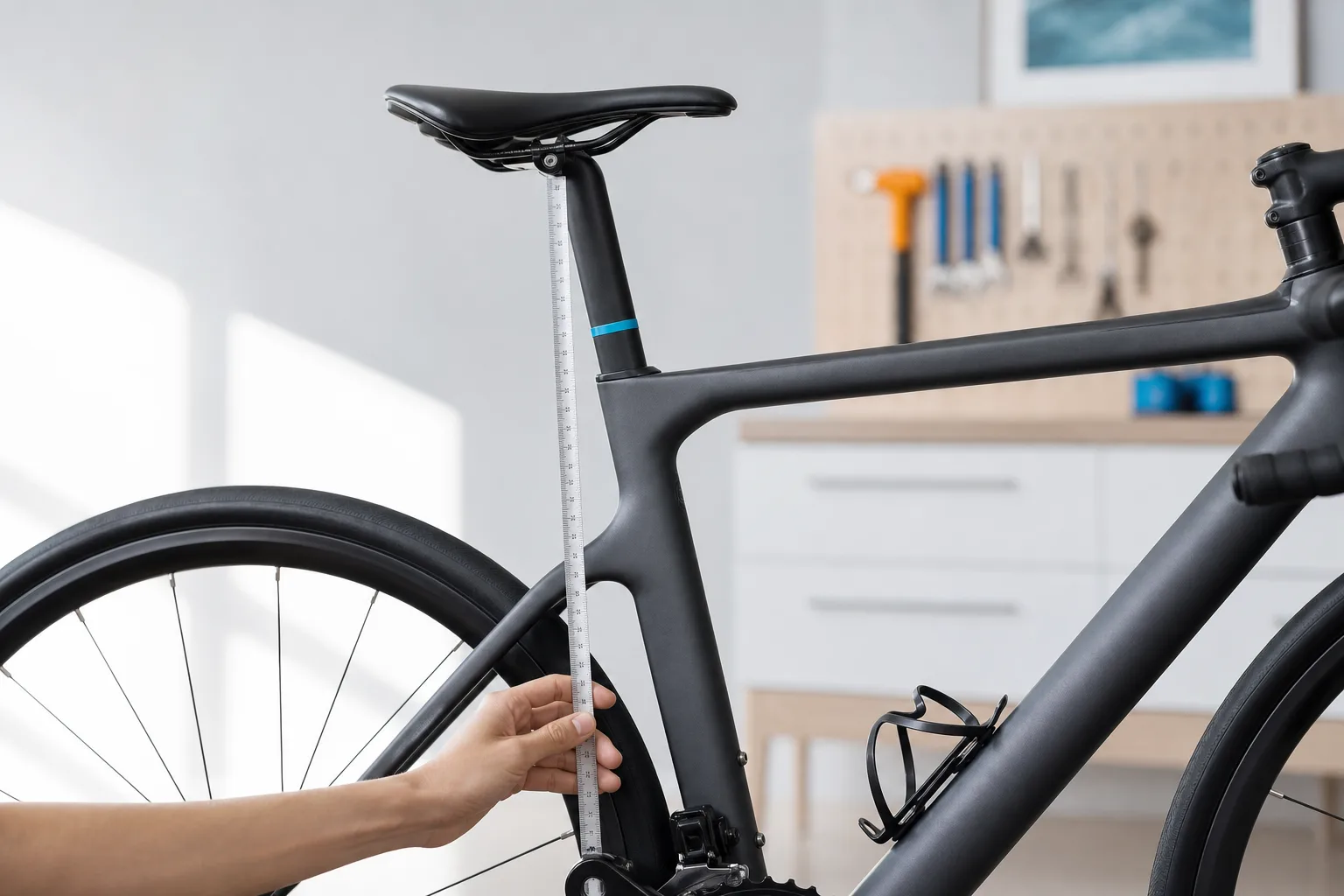
Measure
Movement + quality
Compare
Signed coordinates
Adjust
One reversible trial
Not sure where to begin?
Build the complete baseline first. It connects your dimensions to the guided camera and re-check flow.
Find your starting point
The cards are organised by outcome, not by cycling jargon. A tool can appear in one primary group even when its result feeds another step. Use one change at a time and keep the original setup marked.
Three common journeys
Baseline your position, observe movement, or compare frames on one shared coordinate system.

Use height, inseam, goals and mobility to build cited starting ranges for the whole bike.
You leave with
A connected Fit Plan for saddle, cockpit, crank and camera verification.

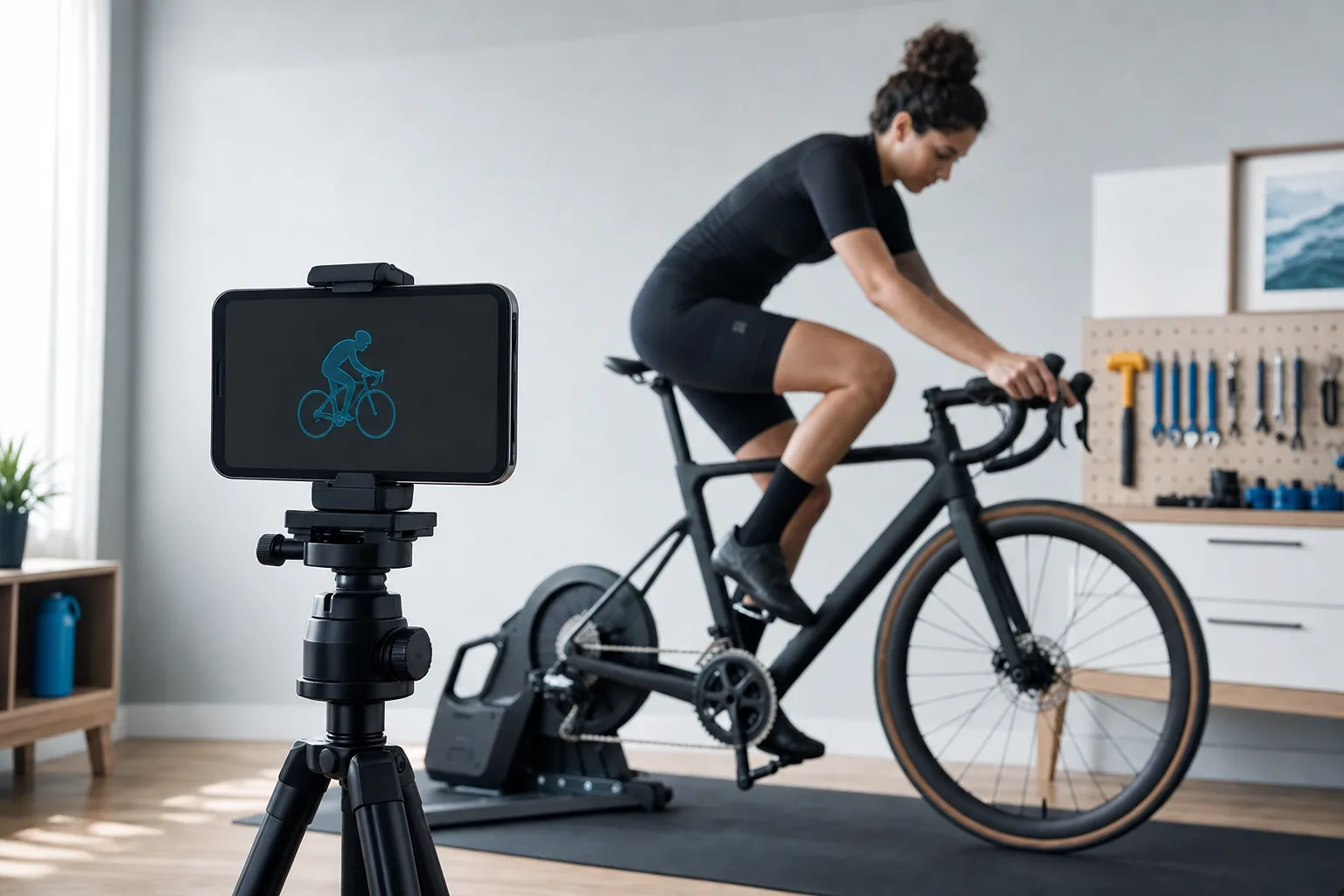
Measure knee, hip, elbow and trunk movement in the browser while you pedal.
You leave with
On-device angles with quality and confidence signals; no video upload.

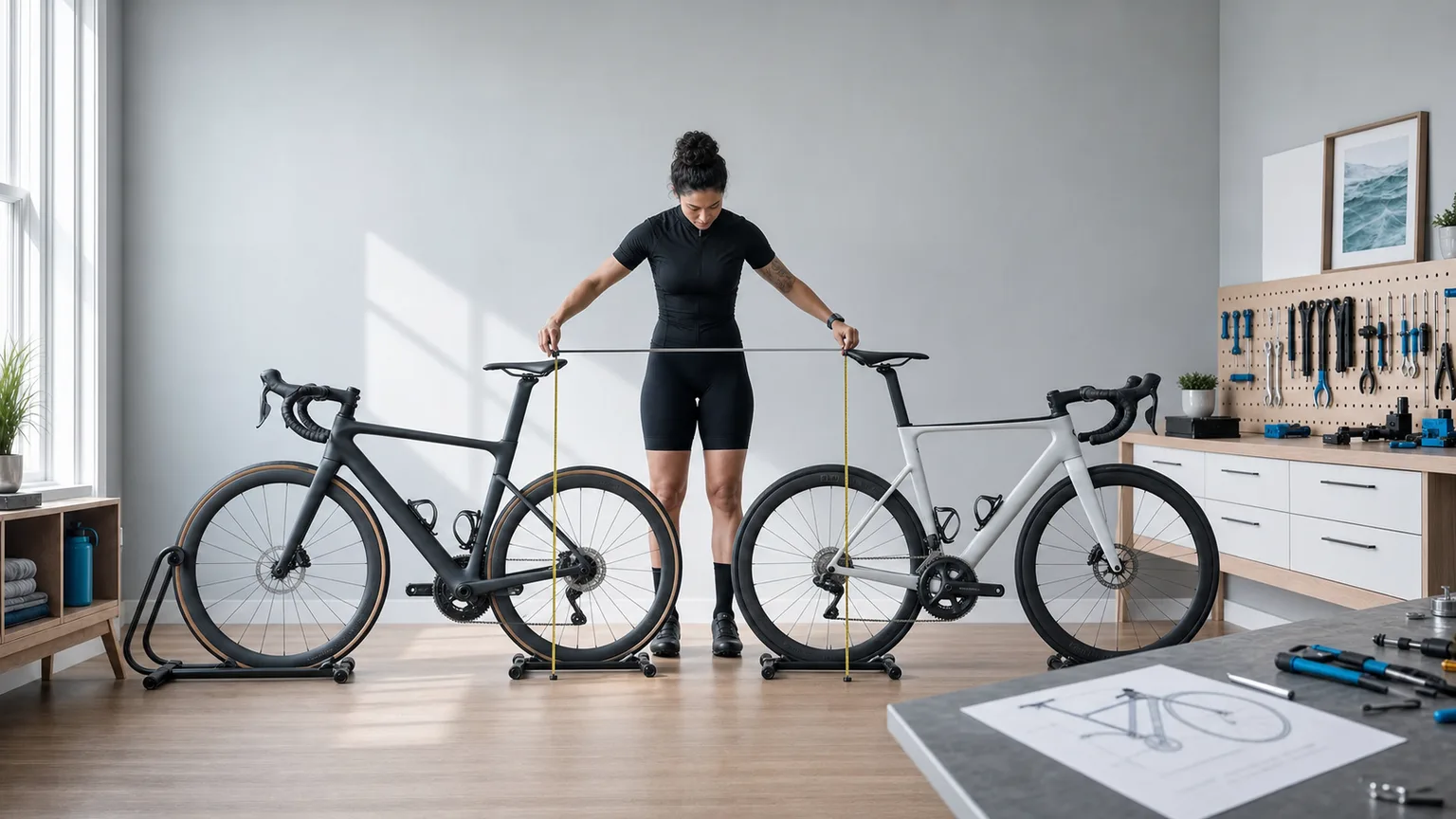
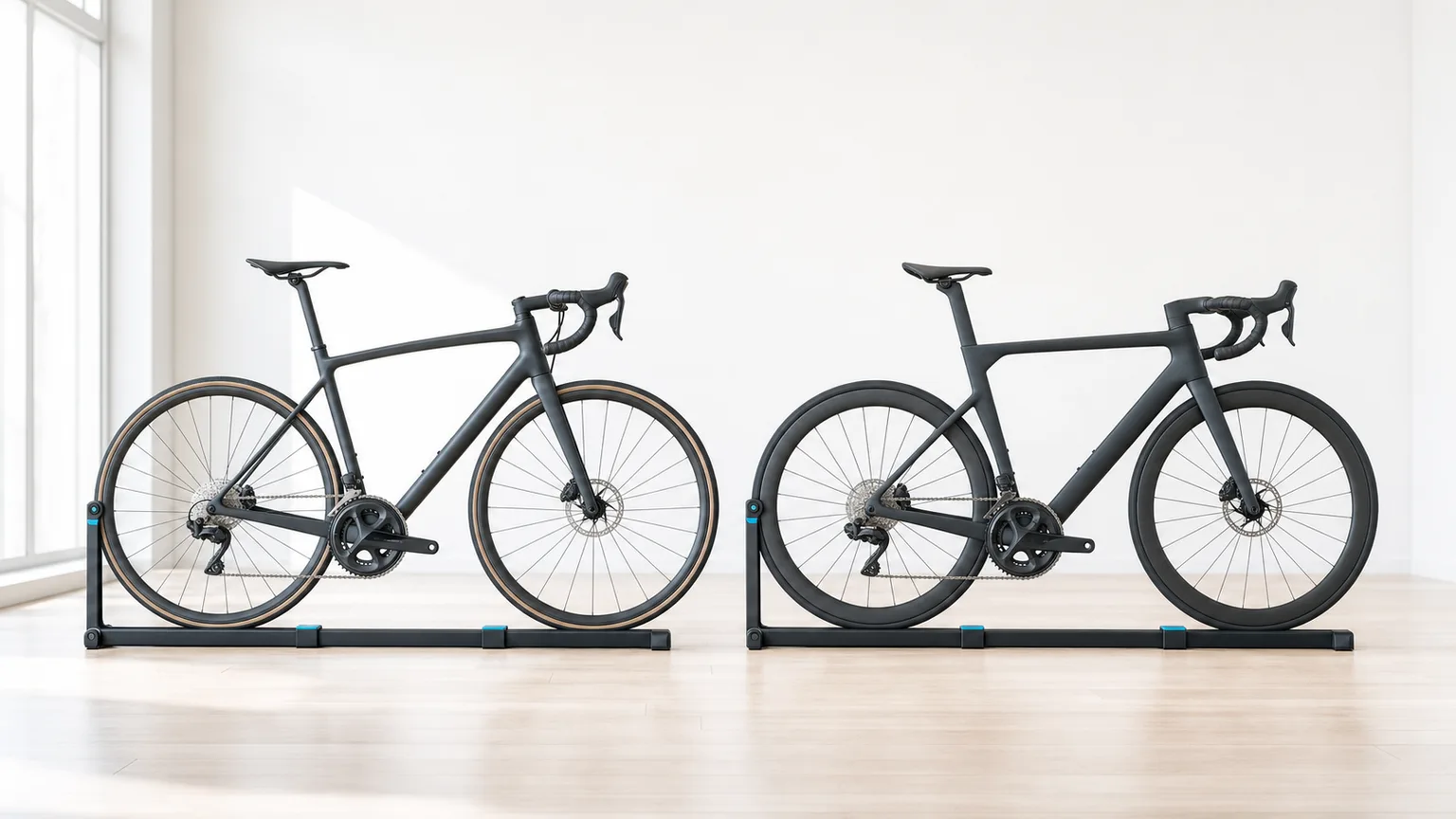
Put two frames on the same stack/reach coordinate system and see the signed differences.
You leave with
A factual frame delta without a fabricated fit score or body-shape guess.
Full workbench
01 · Your measurements
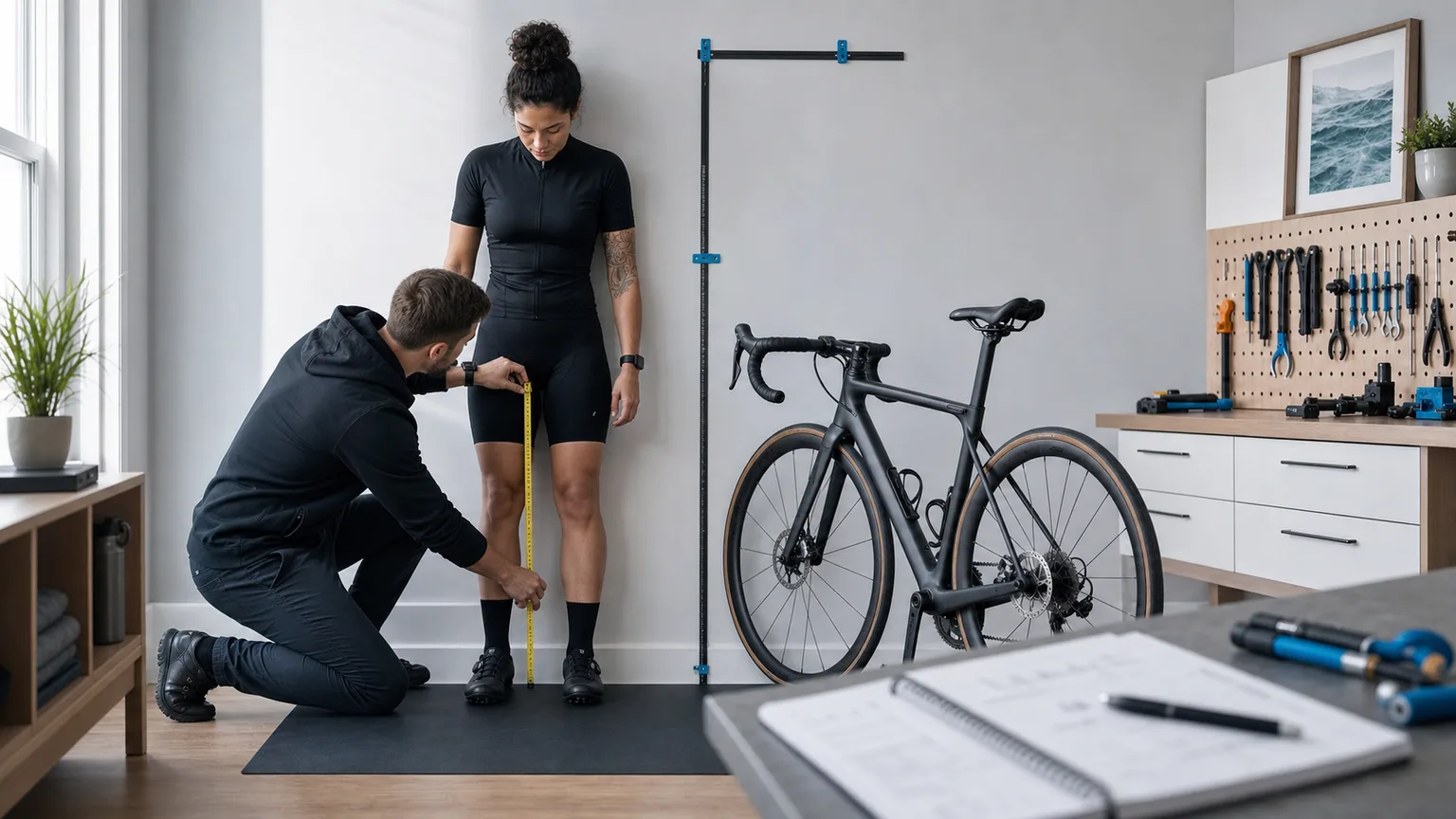
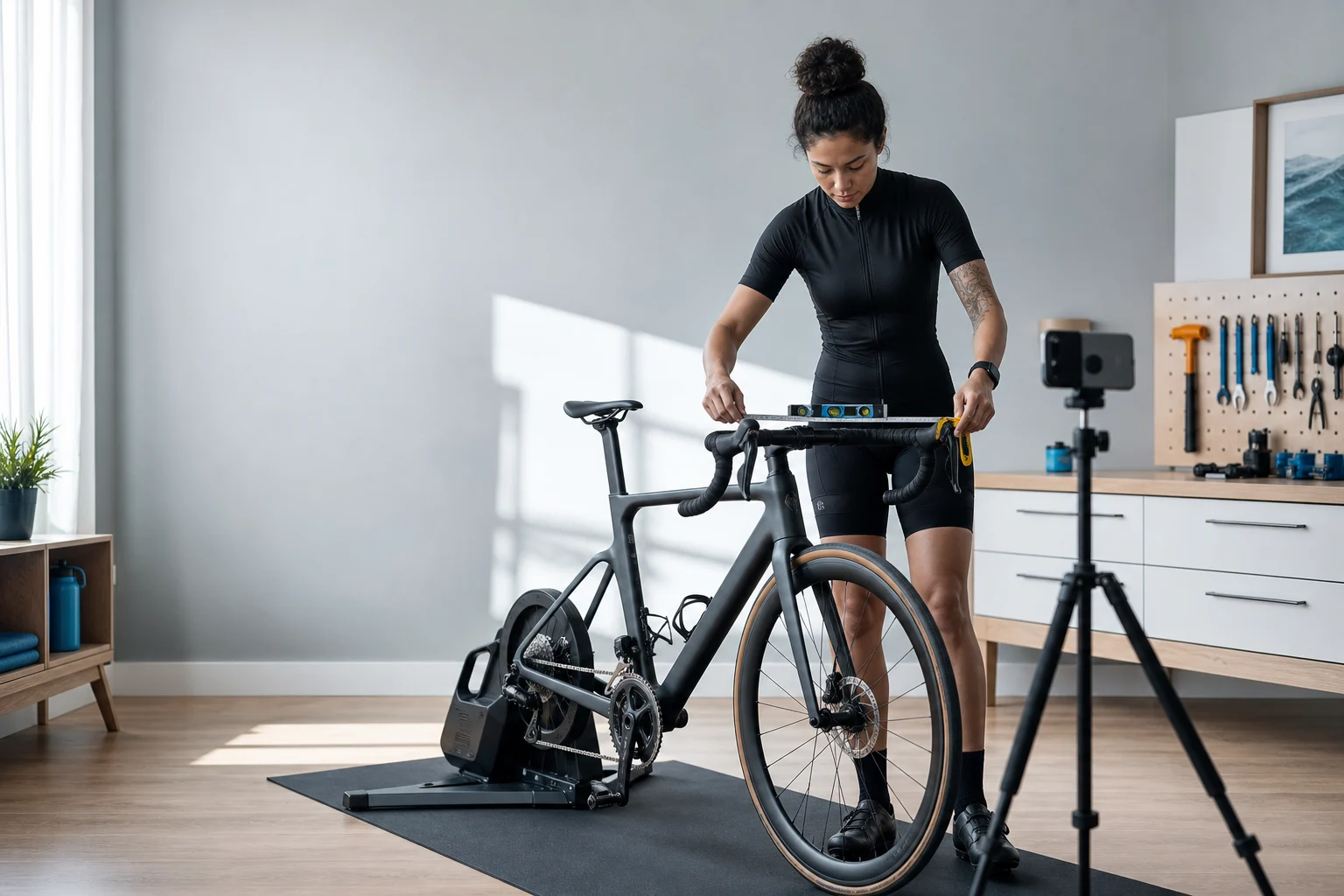
Start with body measurements and turn them into transparent reference ranges.

Use height, inseam, goals and mobility to build cited starting ranges for the whole bike.
You leave with
A connected Fit Plan for saddle, cockpit, crank and camera verification.

Compare LeMond, Hamley and knee-angle methods instead of trusting one magic formula.
You leave with
A saddle-height starting range plus the angle to verify on your bike.
02 · Your movement
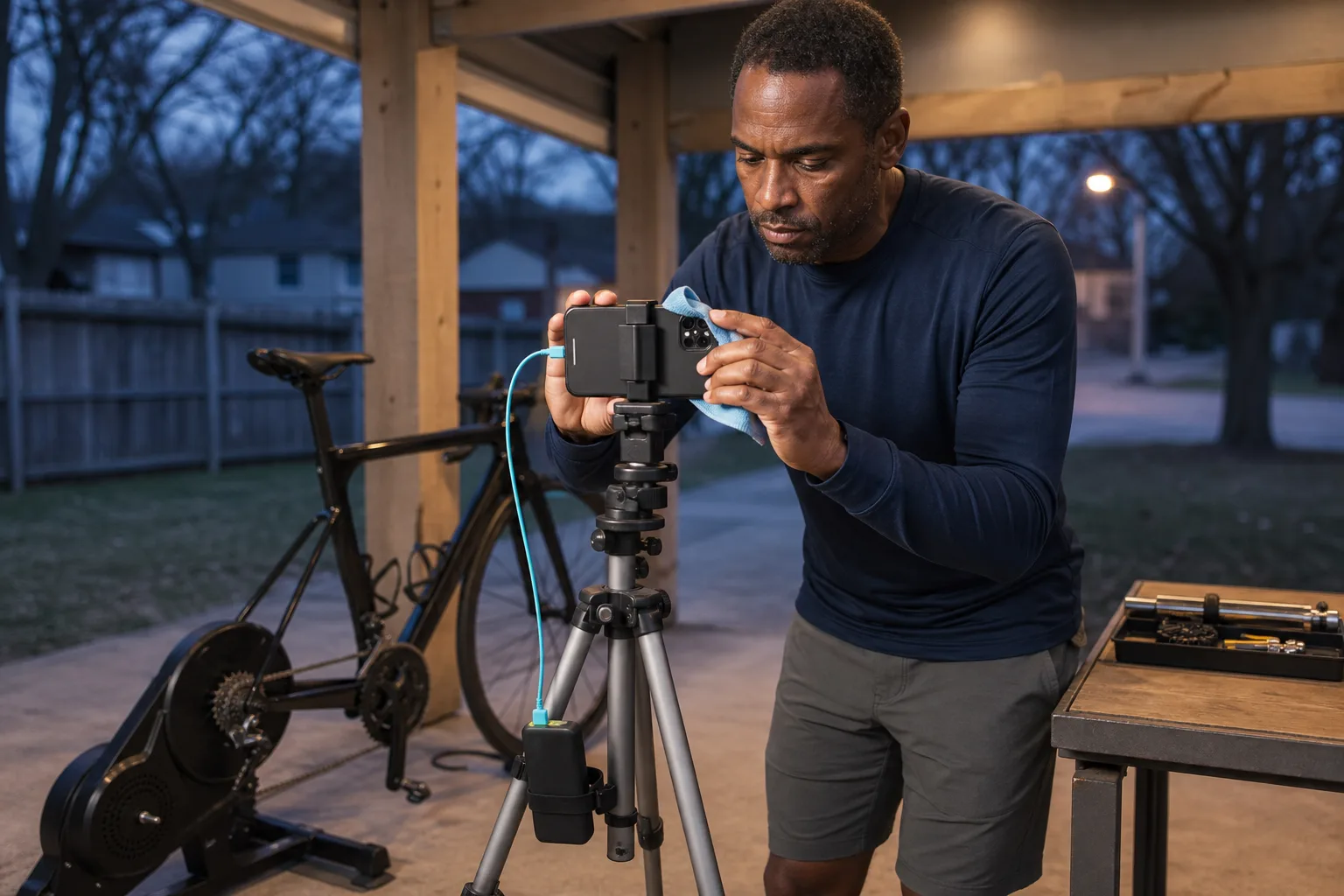
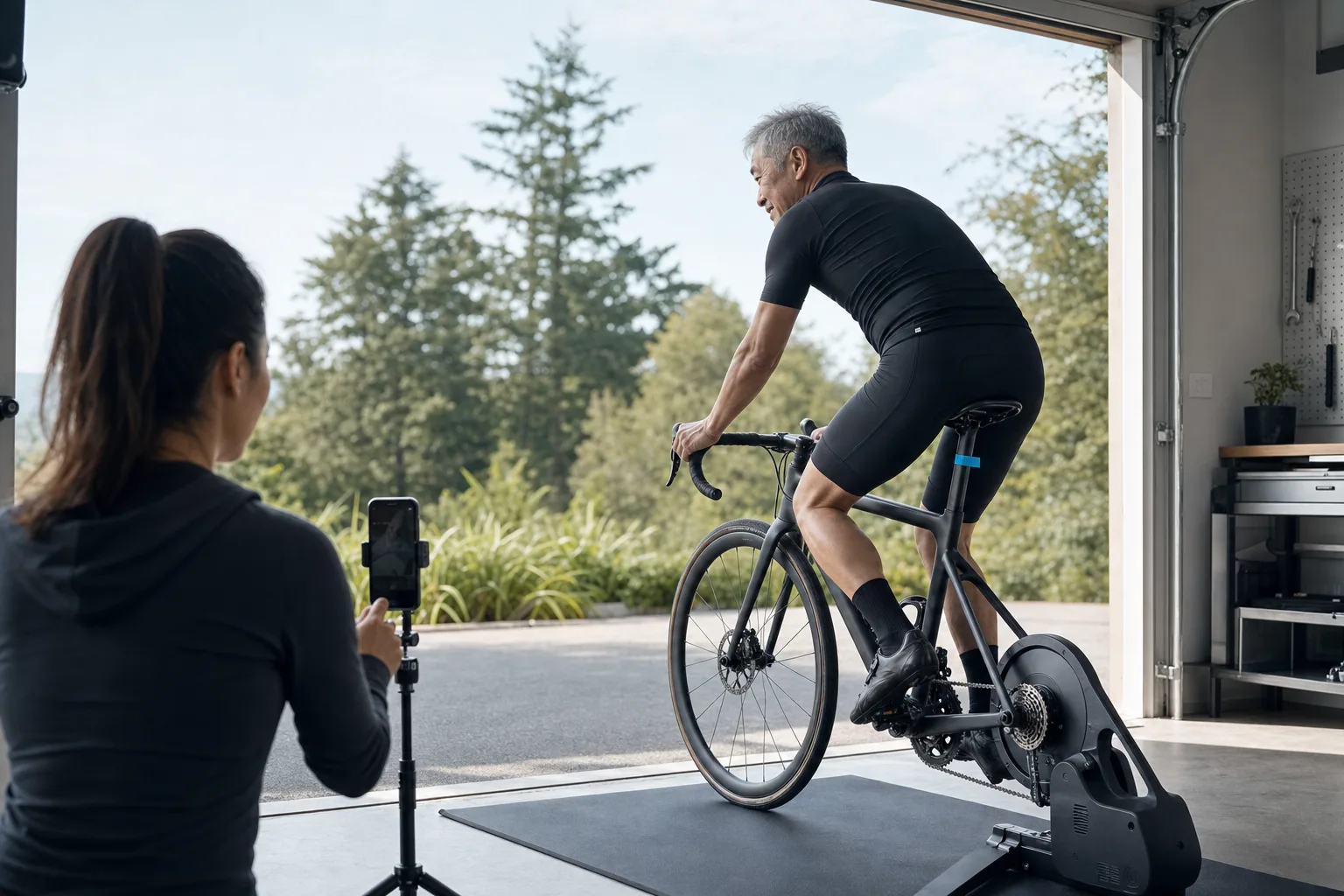
Use your phone camera to check movement on the bike without uploading video.

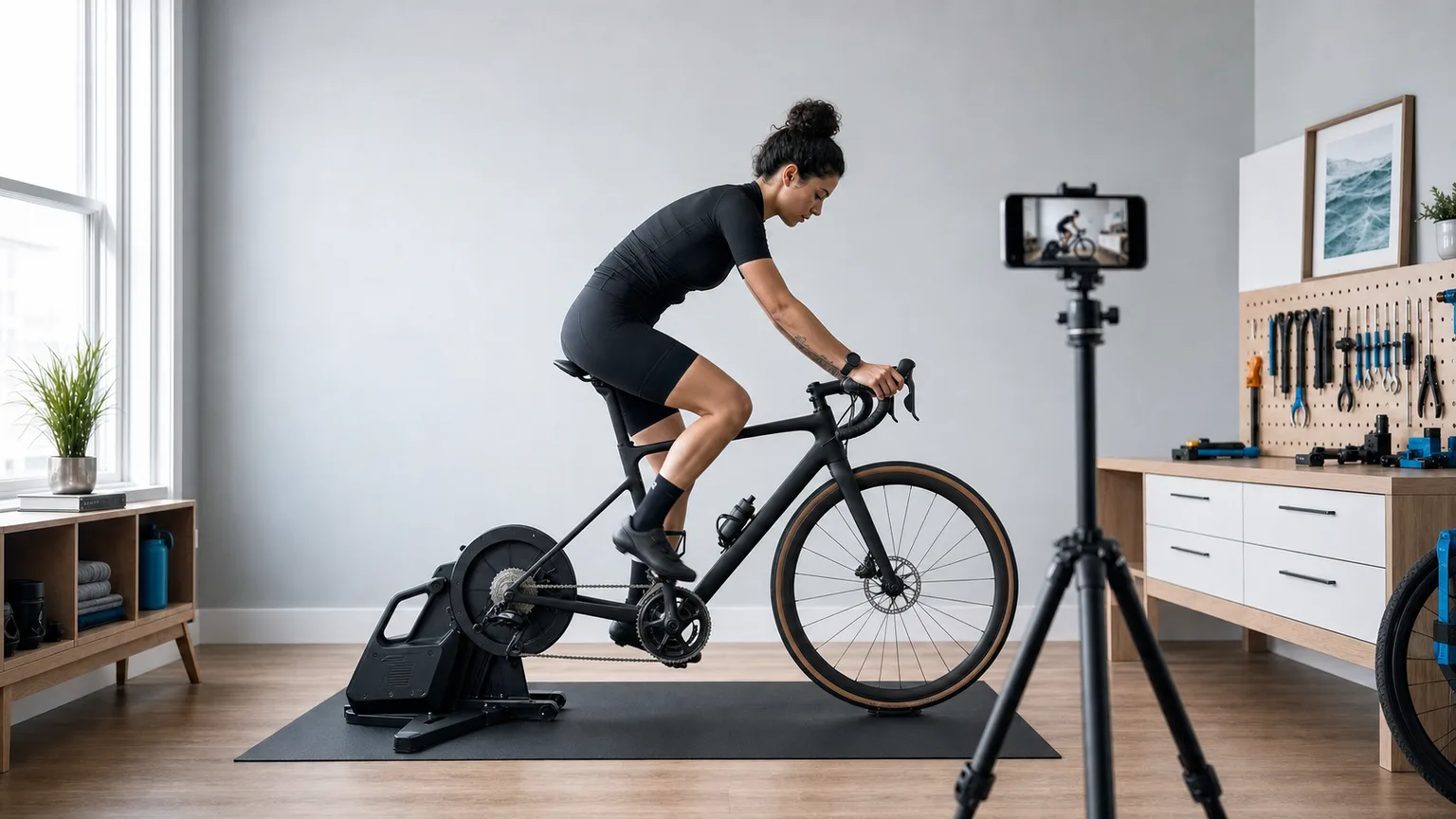
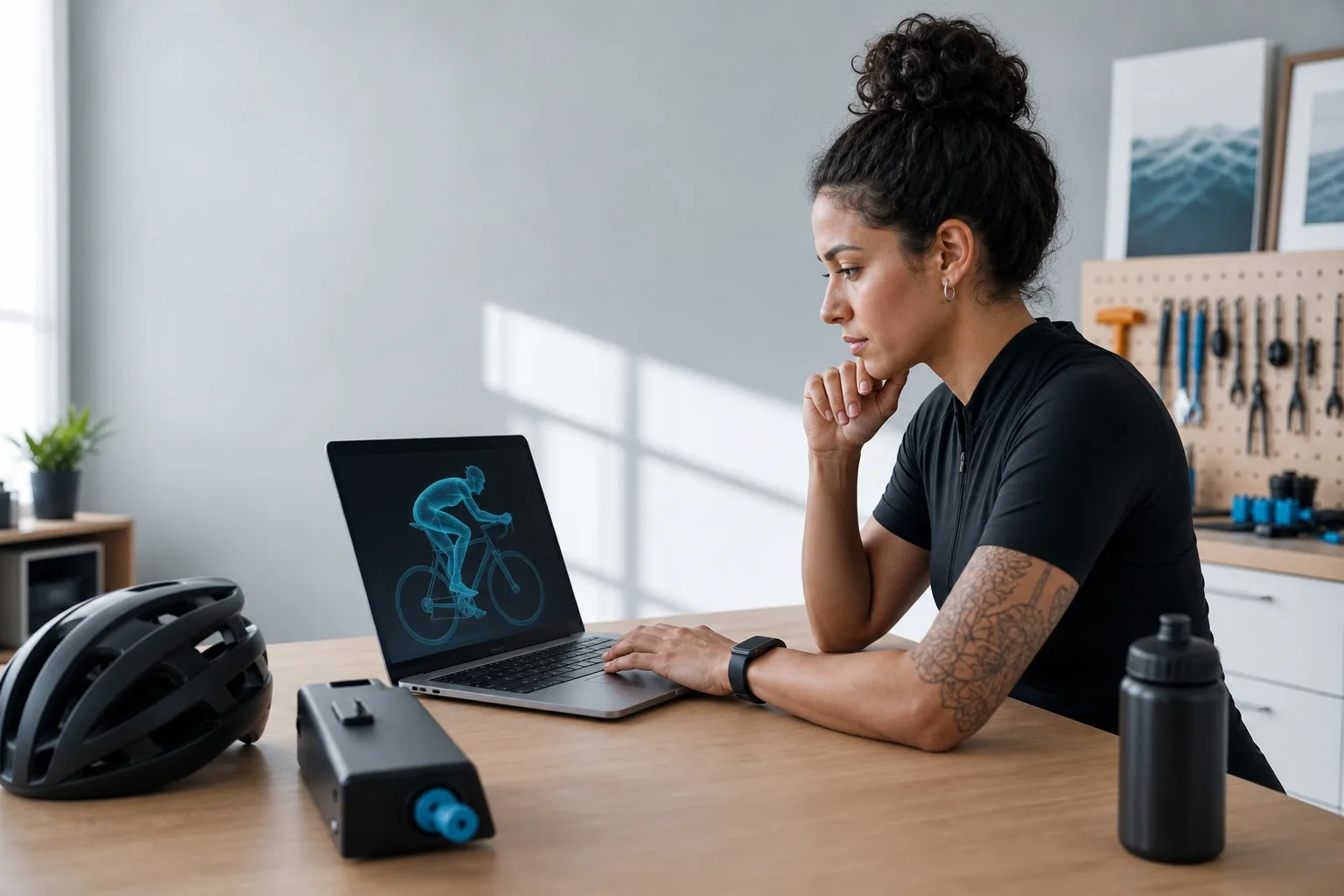
Measure knee, hip, elbow and trunk movement in the browser while you pedal.
You leave with
On-device angles with quality and confidence signals; no video upload.

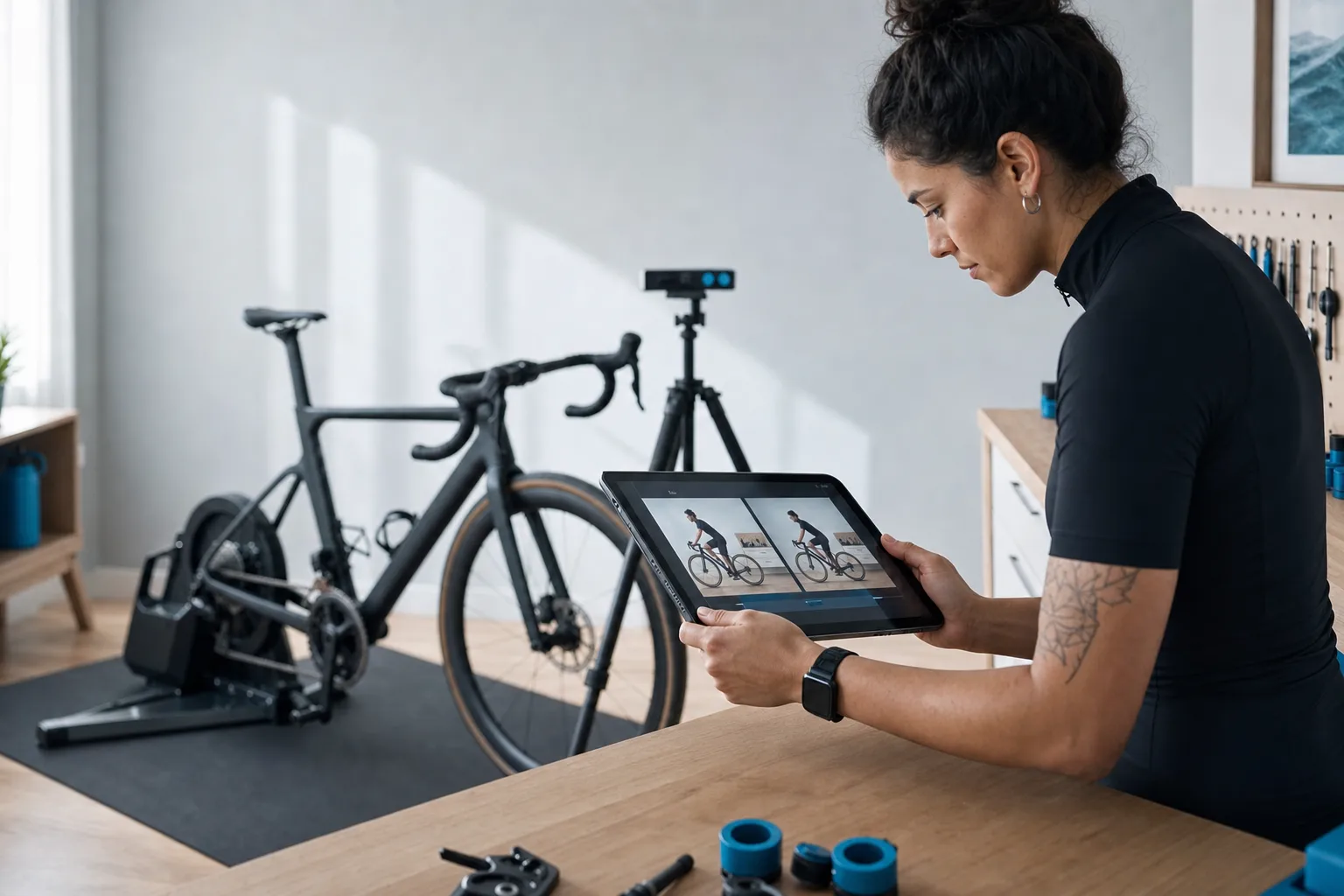
Compare two confirmed dates only when the same bike setup and camera protocol are frozen for both.
You leave with
Neutral four-metric movement deltas separated from both conditions' combined observed noise.

Walk through the real analysis, repeatability, suggestion and re-check flow with synthetic data.
You leave with
A safe preview of the complete workflow without camera permission.
03 · Your equipment
Translate component or frame differences into coordinates you can reason about.

Put two frames on the same stack/reach coordinate system and see the signed differences.
You leave with
A factual frame delta without a fabricated fit score or body-shape guess.

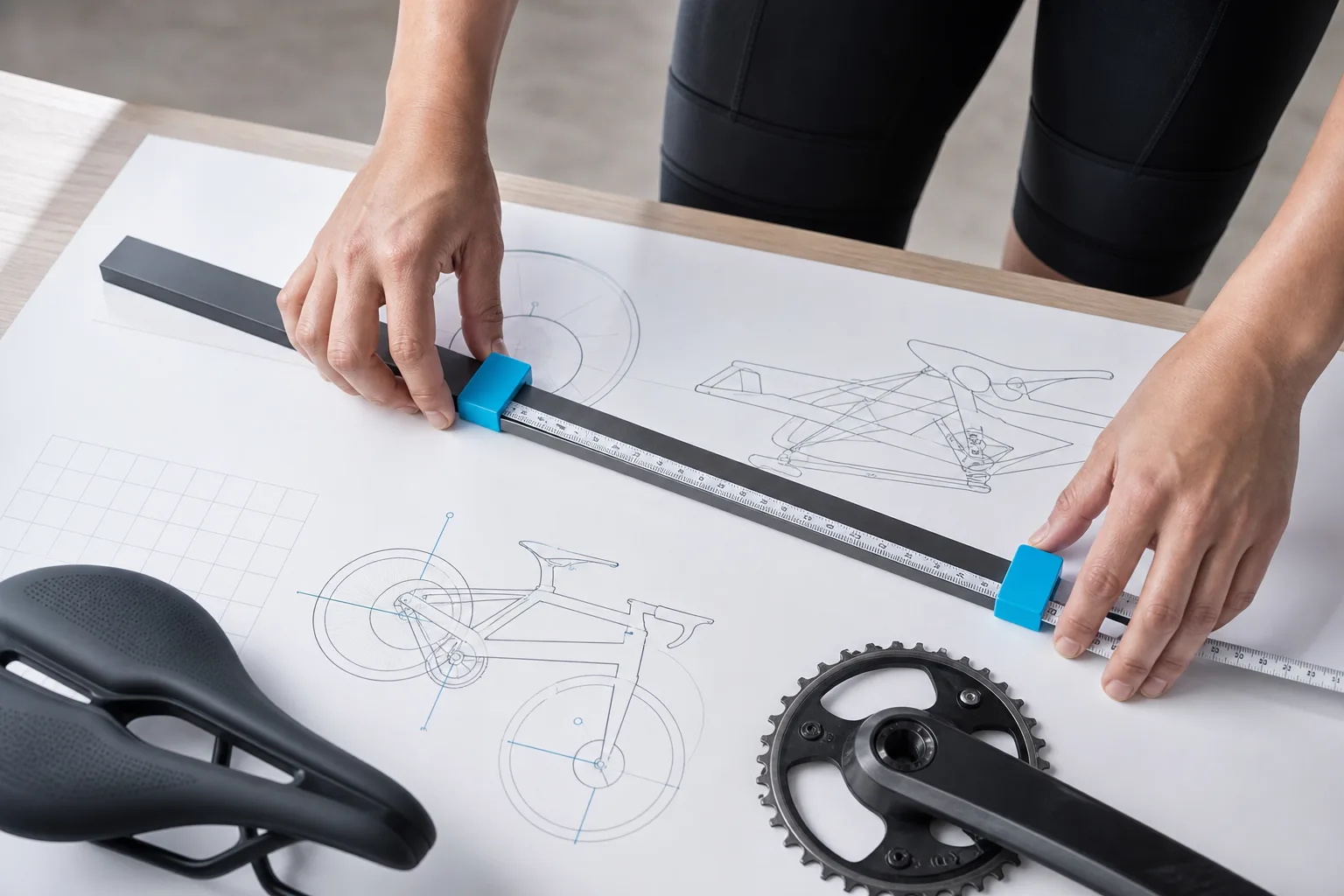
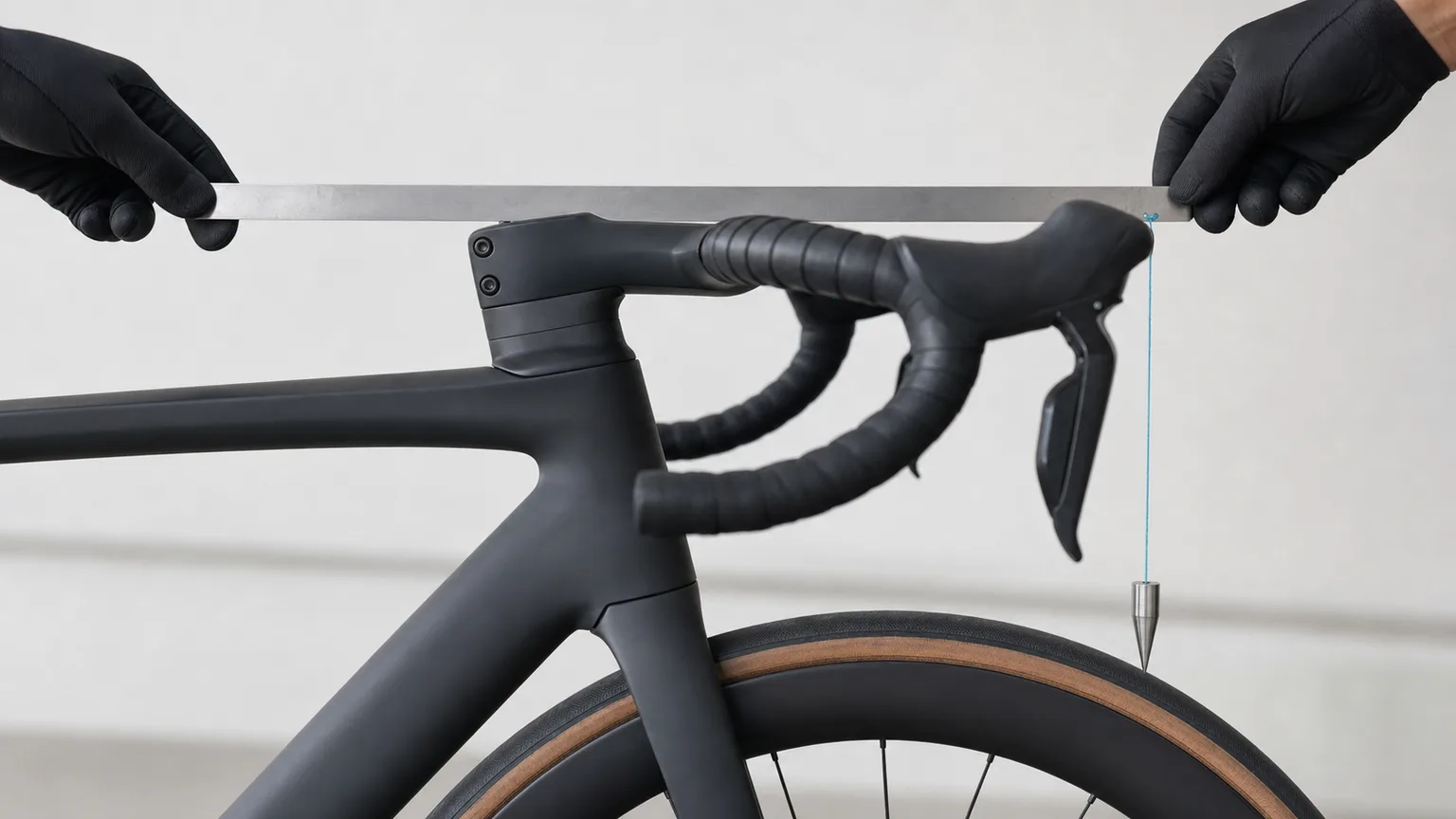
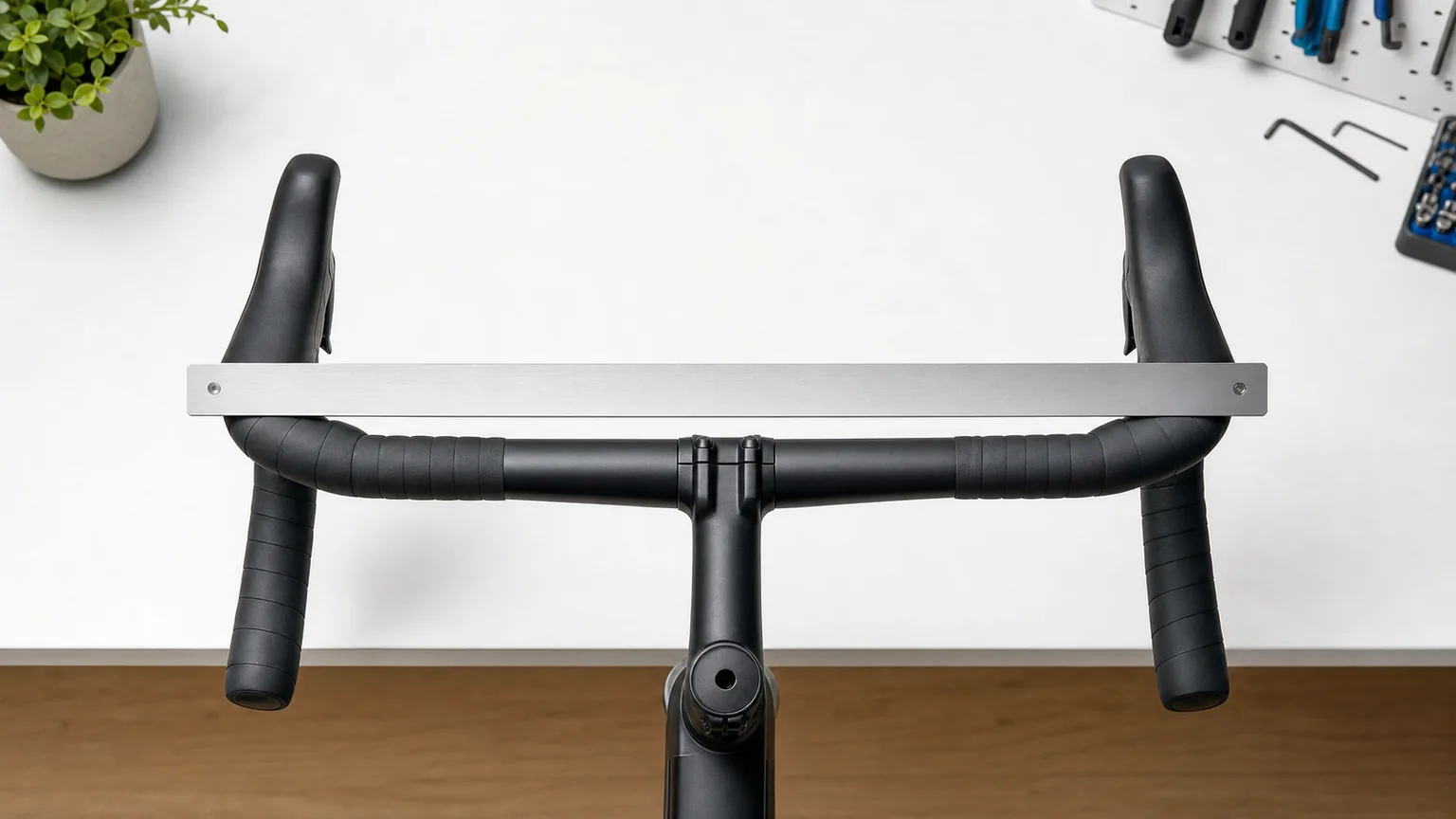
Compare stem, spacer and handlebar combinations as signed horizontal and vertical coordinates.
You leave with
Exact bar-clamp and nominal hood deltas without a fabricated fit verdict.

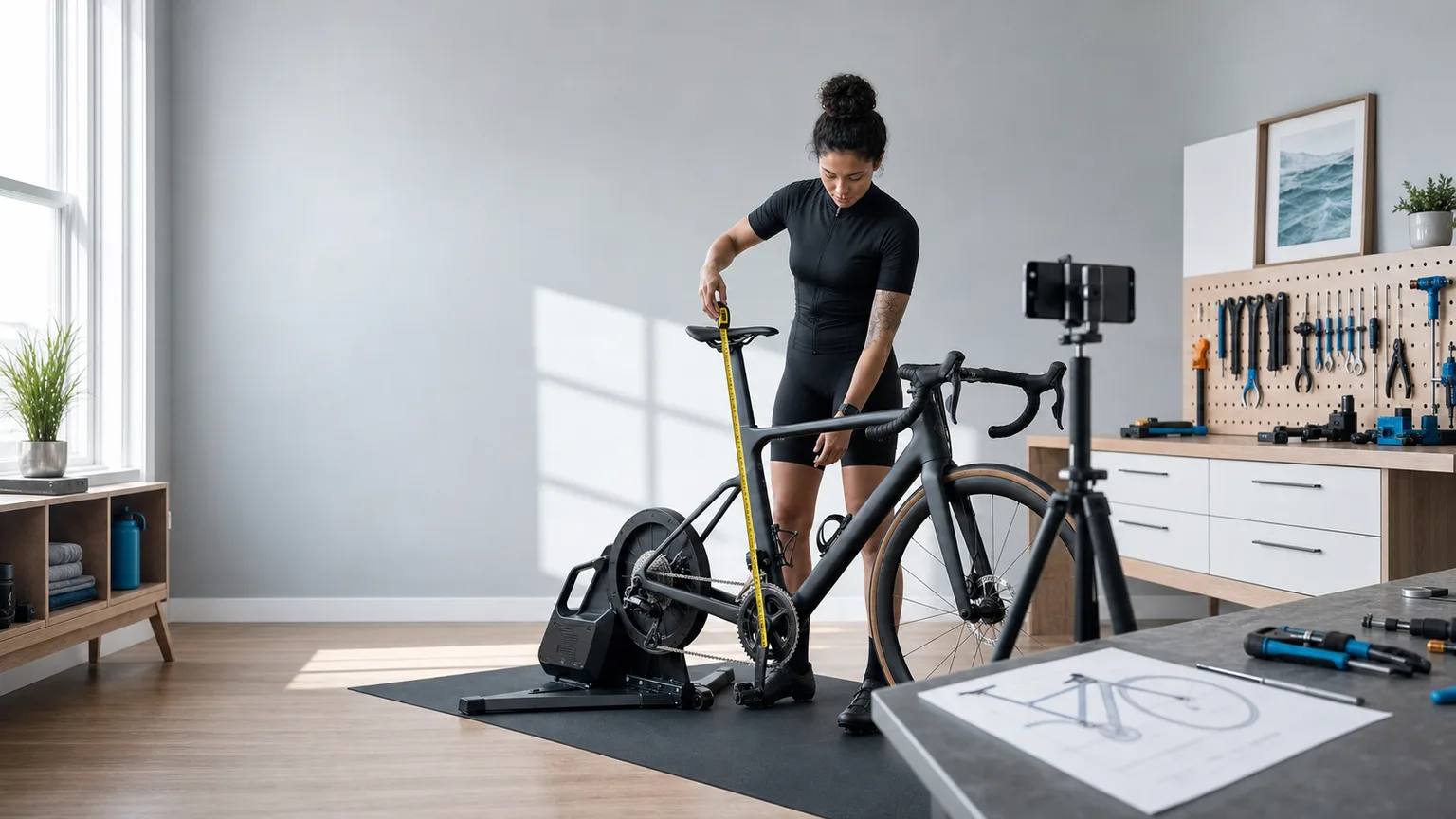
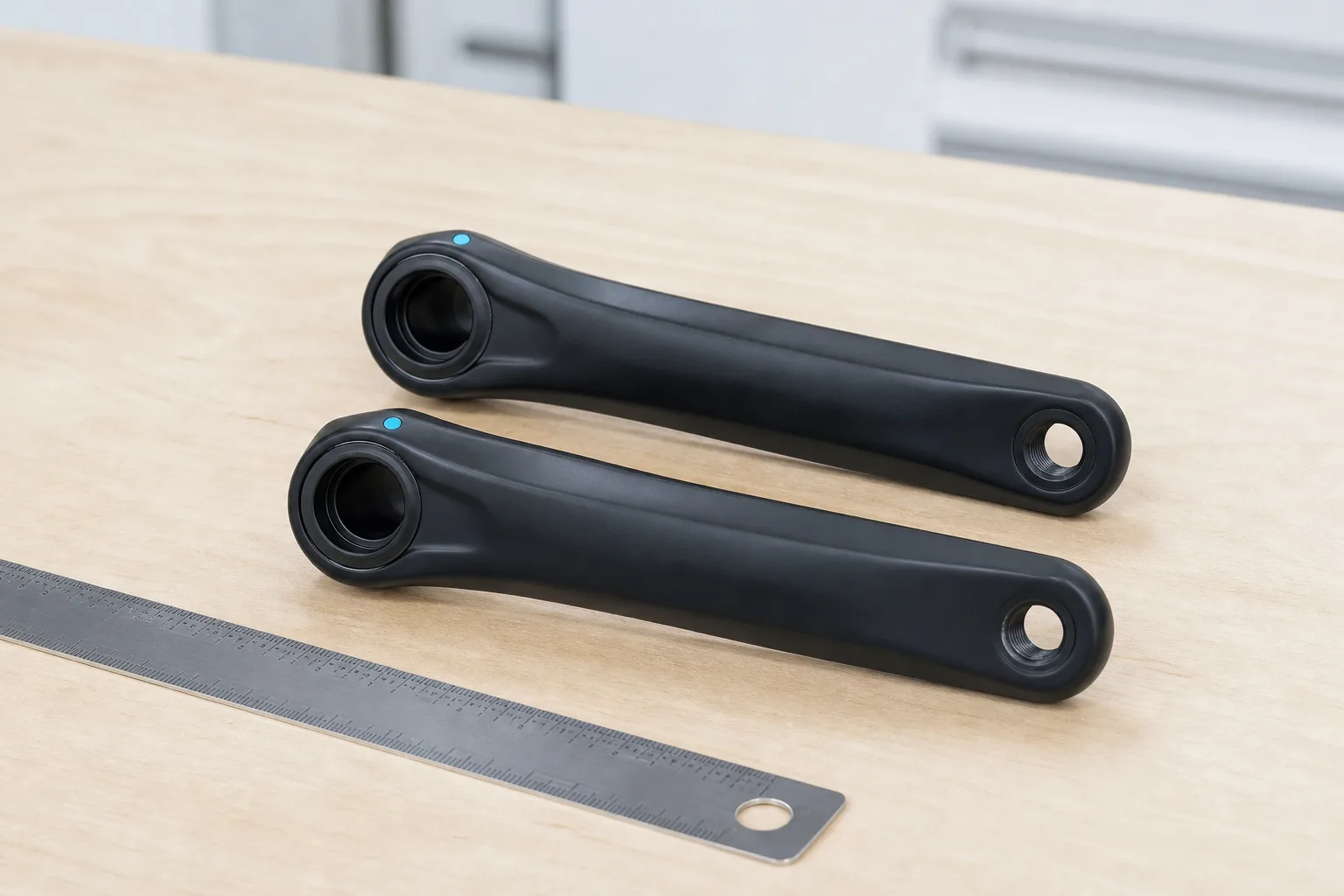
Compare two crank lengths, then freeze the result against one bike and carry it through mechanic installation and a measured ride re-check.
You leave with
Exact crank and saddle targets, a reversible work order, repeated final measurements and a keep, revert or stop history event.

Capture repeatable coordinates and exact component identities, then group every adjustment and follow-up by bike.
You leave with
A private bike passport with measurements, hardware sources, history and portable setup records.

Turn one local bike profile into a reference-rich print sheet, CSV or portable JSON record.
You leave with
A workshop-ready setup snapshot with sign conventions, timestamps and exact measurement references.

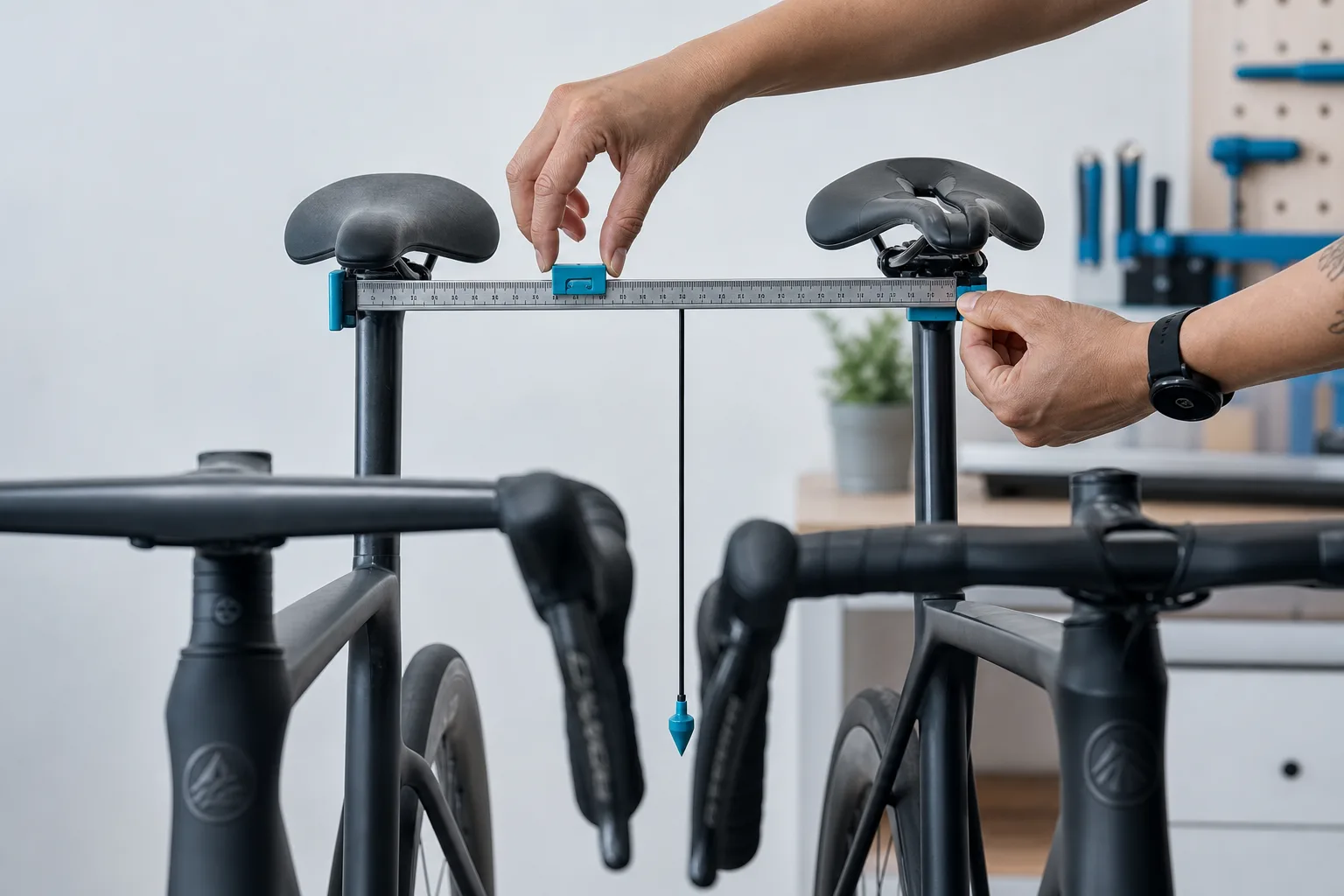
Compare two local bike passports across contact coordinates, saddle and hood details, component context and declared references.
You leave with
A staged source-to-target plan plus a measured target-bike re-check, never a fit score.
04 · Your next trial
Make one controlled change, keep the original position marked, then re-check.

Turn frozen local adjustment plans and exact component references into one print-ready workshop hand-off.
You leave with
Selected targets, reversal baselines, model-specific source checks and blank installation/re-measurement fields.

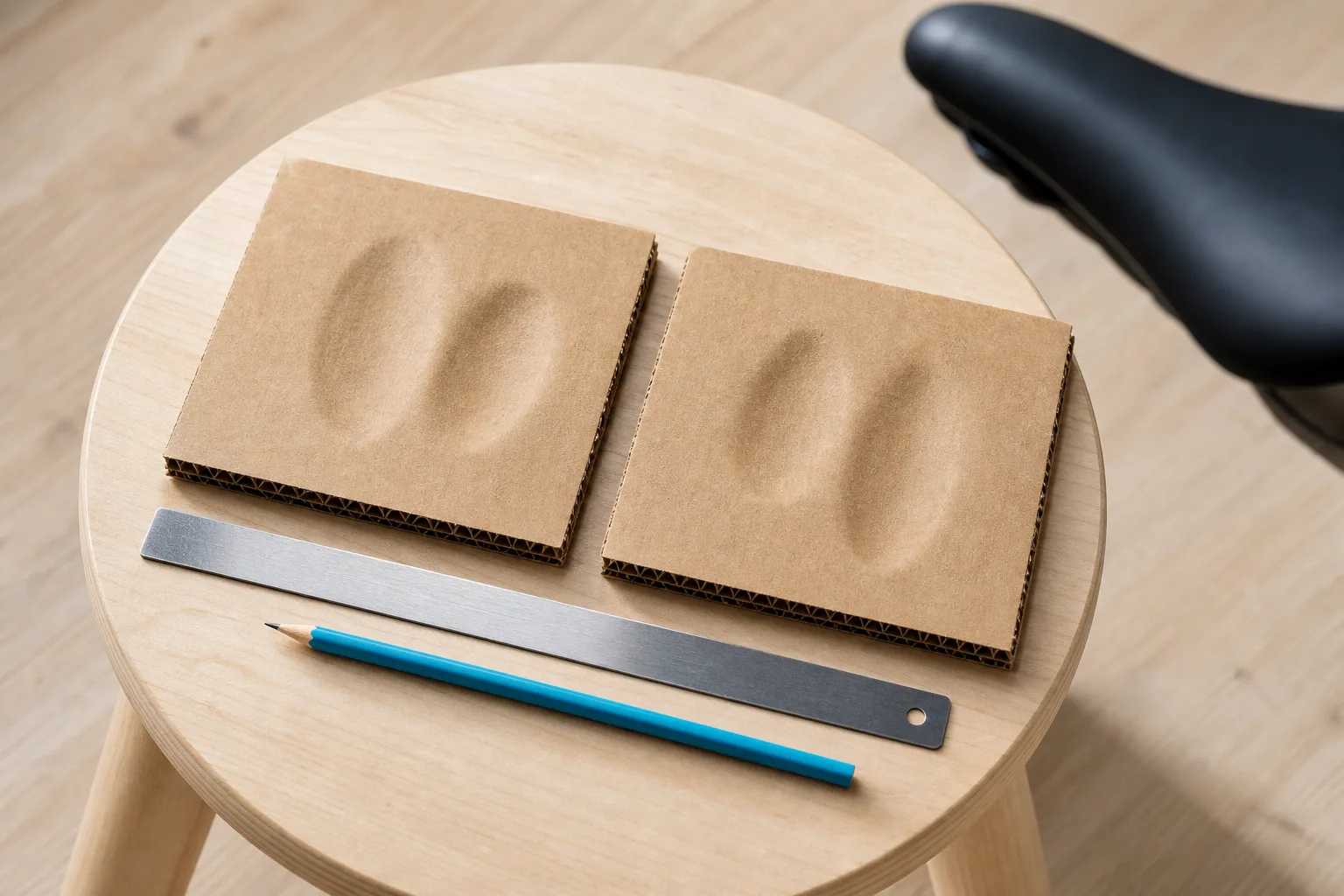
Use two real sit-bone impressions and a repeatability check—never height or body type.
You leave with
A convention-labelled starting range or a clear request to measure again.

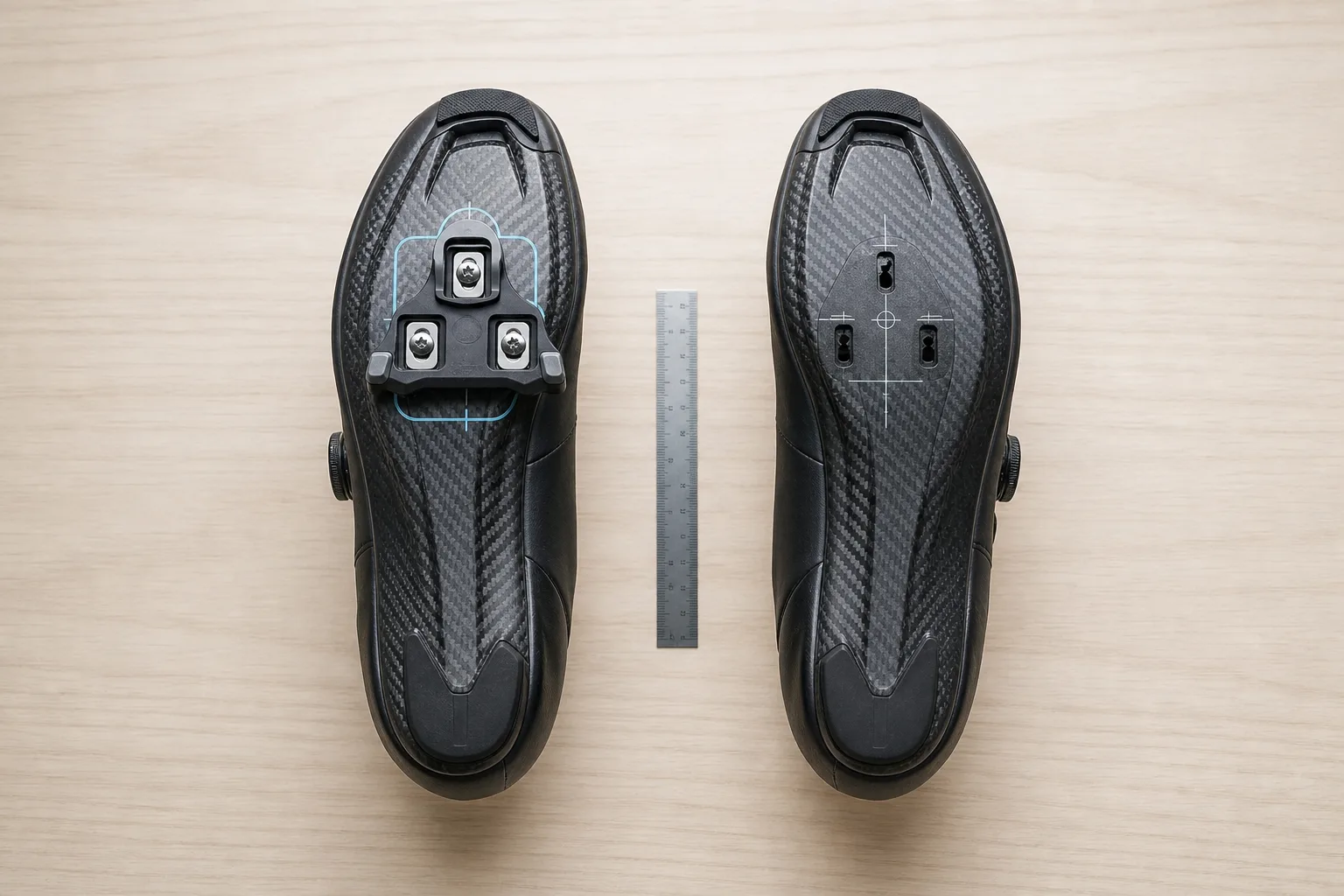
Record the starting coordinate, change one cleat axis by a small amount and re-check after riding.
You leave with
An exact reversible trial plus a keep, revert or stop decision after 2–3 rides.

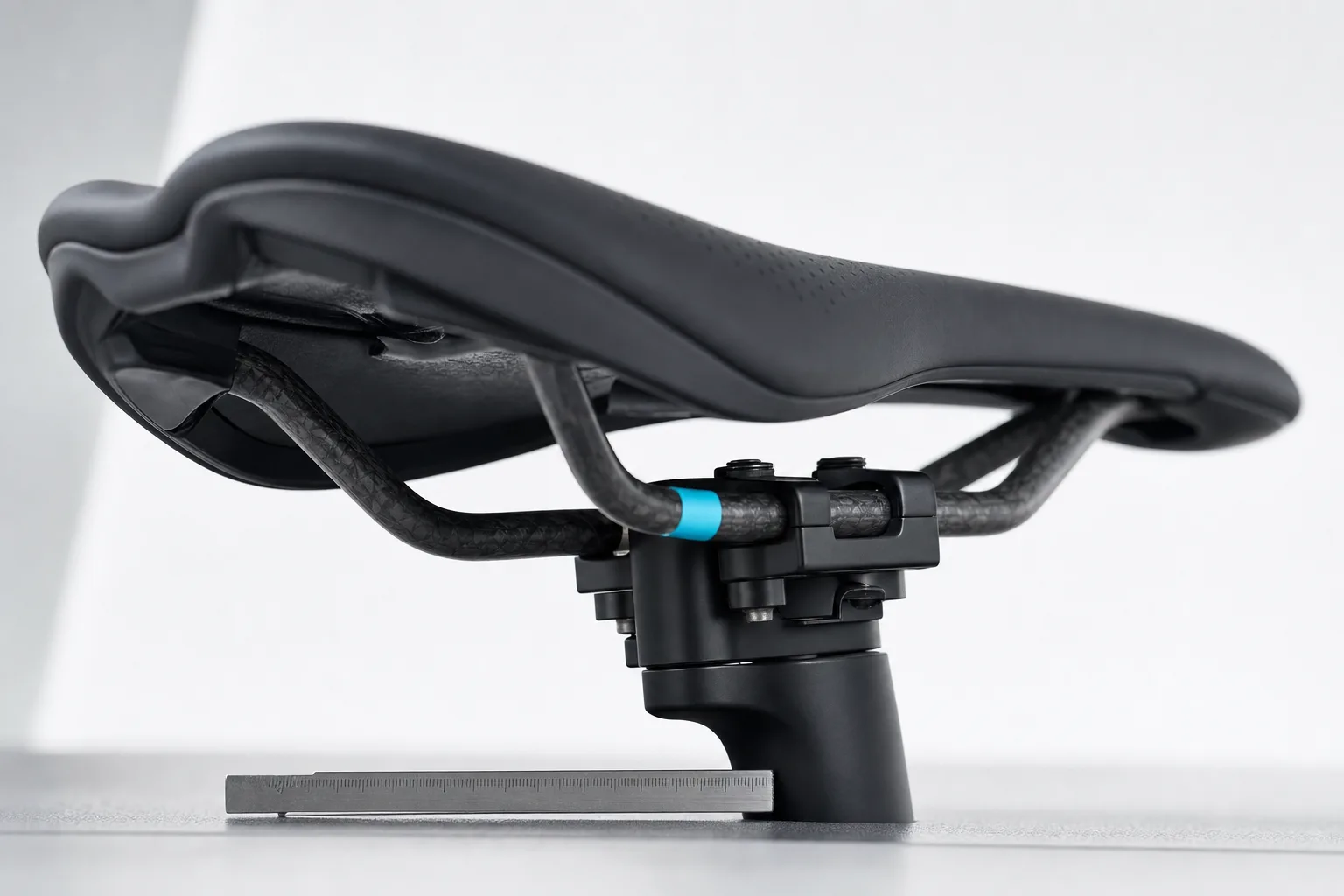
Turn a measured setback into one small forward or backward trial while preserving the baseline.
You leave with
An exact target coordinate plus a reversible ride re-check linked to one bike.

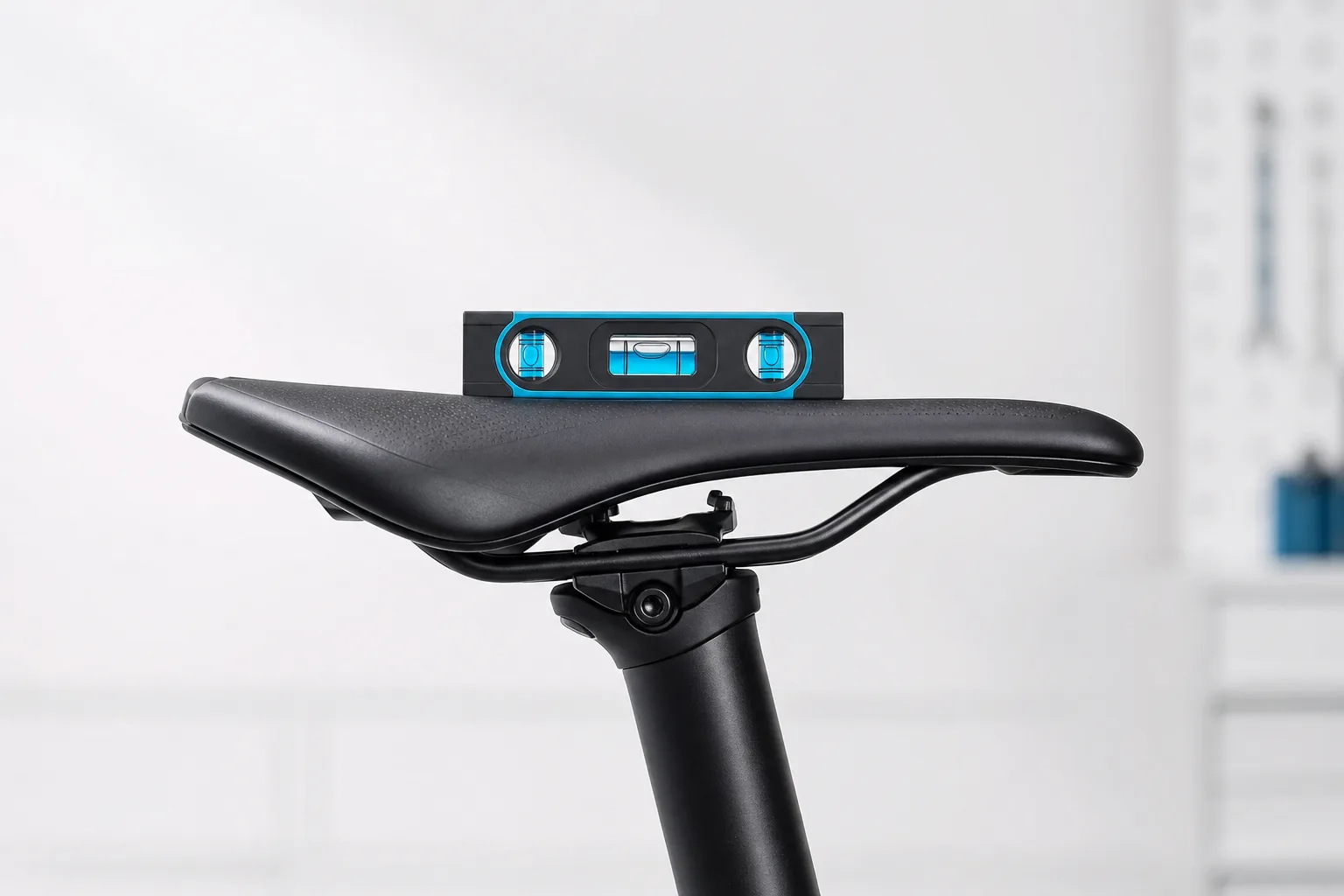
Repeat a real saddle-angle reading, plan one small reversible nose-up or nose-down trial and re-check it.
You leave with
An exact angle target and bike-linked keep, revert or stop decision without an invented ideal.

Repeat one hood angle or height baseline, choose one small signed change and verify control security and function.
You leave with
An exact reversible hood target with a bike-linked measured ride re-check or safety stop.

Freeze the current cockpit, model one spacer move or mechanic-installed stem change, then verify the installed coordinates.
You leave with
A reversible hardware plan, exact installation gates and a repeated reach/drop re-check linked to one bike.

Repeat a real width measurement and compare left/right lever reach from the same reference.
You leave with
Observed width and lever-symmetry deltas without an invented ideal or click count.
Calculator inputs, bike profiles, comparison values, fit sessions, pose landmarks and journals stay on this device. Camera processing runs on-device; OpenBikeFit does not upload your fit or video and does not require an account. Only feedback you deliberately submit leaves the browser.
Read the exact storage inventory in the device-storage policy, inspect the evidence and limitations, or review the privacy notice.